
Your cart is currently empty!.
You may check out all the available products and buy some in the shop.
Continue ShoppingPurity Collective
Clear, source-aware guides for reviewing research catalog records, analytical documents, quantities, formats, and adjacent public references.
Use these guides to understand the difference between a catalog listing, a product-specific report, and a broader public reference.
Orientation
A documentation-first introduction to reviewing a research catalog entry.
Read the guide: What Are Research Peptides?Documentation
A practical guide to identity, method, result, date, and scope.
Read the guide: How to Read a Peptide COAReports
Browse the published reports and review each document in its own stated context.
Read the guide: COA LibraryThese guides explain how common analytical terms and report types should be read before a result is applied to a catalog record.
Analytical methods
What chromatographic and molecular-mass evidence can show, and what each method leaves unanswered.
Read the guide: HPLC vs Mass SpectrometryResult interpretation
How to keep a reported chromatographic percentage attached to its batch, method, and stated scope.
Read the guide: What Does 99% Peptide Purity Mean?Identity-focused guides for common research terms. These pages separate product records from broader public references and regulatory context.
Identity record
Copper-complex identity and documentation review.
Read the guide: GHK-CuIdentity record
A guide to reading listing and document boundaries.
Read the guide: BPC-157Identity record
Research-status and COA review context.
Read the guide: RetatrutideIdentity record
Research-record and status-context review.
Read the guide: TirzepatideIdentity record
A structured review of catalog and document records.
Read the guide: TesamorelinIdentity record
Documentation review with public-status context.
Read the guide: PT-141Use these guides when a name alone is not enough and the format, quantity, component list, or comparison target changes the question.
Paired record
How to distinguish a paired listing from adjacent records.
Read the guide: CJC-1295 + IpamorelinComparative record
A method for comparing records without transferring claims between them.
Read the guide: BPC-157 and TB-500Format review
A format-label and documentation review for nasal spray catalog entries.
Read the guide: Nasal Spray ListingsPaired record
Research-record and format review for paired terms.
Read the guide: Selank and SemaxBlend record
Component-oriented documentation review.
Read the guide: GLOW Peptide BlendBlend record
A guide to component and blend record boundaries.
Read the guide: KPV and KLOWAdditional guides that help narrow a search term to the exact product or document under review.
Identity record
Variant-aware documentation review.
Read the guide: GlutathioneIdentity record
Quantity-variant and public-record context.
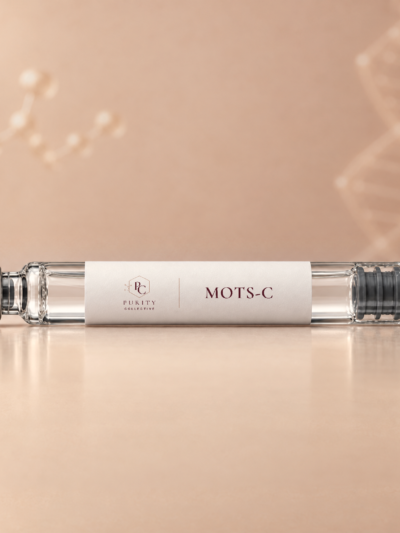
Read the guide: MOTS-CIdentity record
Research records and COA review.
Read the guide: TB-500Identity record
Product-document review and record boundaries.
Read the guide: Thymosin Alpha-1New documentation-first guides are added here as they are published. Each one keeps its conclusion attached to the specific record, source, method, and stated scope.
Documentation guide
Chromatographic purity and endotoxin reports are separate records. Each result needs to remain attached to its own method, material identifier, units where applicable, date, and stated acceptance criterion.
Read the guide: Peptide Purity vs Endotoxin Reports: Two Tests, Two QuestionsDocumentation guide
A batch or lot number can connect a product record to a specific document when the identifiers match. It does not automatically transfer evidence to another batch, format, or quantity.
Read the guide: What a Batch Number Connects—and What It Does NotDocumentation guide
A format label identifies how a catalog record is presented. It does not by itself establish the scope of an analytical document or a conclusion about another format.
Read the guide: What a Product Format Label Does—and Does Not—Tell YouDocumentation guide
A certificate issue date and an analysis date can serve different purposes. Review both with the batch or sample identifier and note any chronology that needs clarification.
Read the guide: Certificate Issue Date vs Analysis Date: A Documentation CheckDocumentation guide
A COA review should record what is missing as carefully as what is present. Unclear lot mapping, missing units, unstated limits, or vague methods limit the conclusion a document can support.
Read the guide: Common COA Documentation Gaps: What to Record Before Drawing a ConclusionDocumentation guide
A research disclaimer defines the scope of the catalog. It should be read with the specific product record and its supporting documents, not treated as a substitute for record review.
Read the guide: How to Use a Research Disclaimer When Reading a Catalog Record