
Your cart is currently empty!.
You may check out all the available products and buy some in the shop.
Continue ShoppingA research disclaimer defines the scope of the catalog. It should be read with the specific product record and its supporting documents, not treated…
A COA review should record what is missing as carefully as what is present. Unclear lot mapping, missing units, unstated limits, or vague methods…
A certificate issue date and an analysis date can serve different purposes. Review both with the batch or sample identifier and note any chronology…
A format label identifies how a catalog record is presented. It does not by itself establish the scope of an analytical document or a…
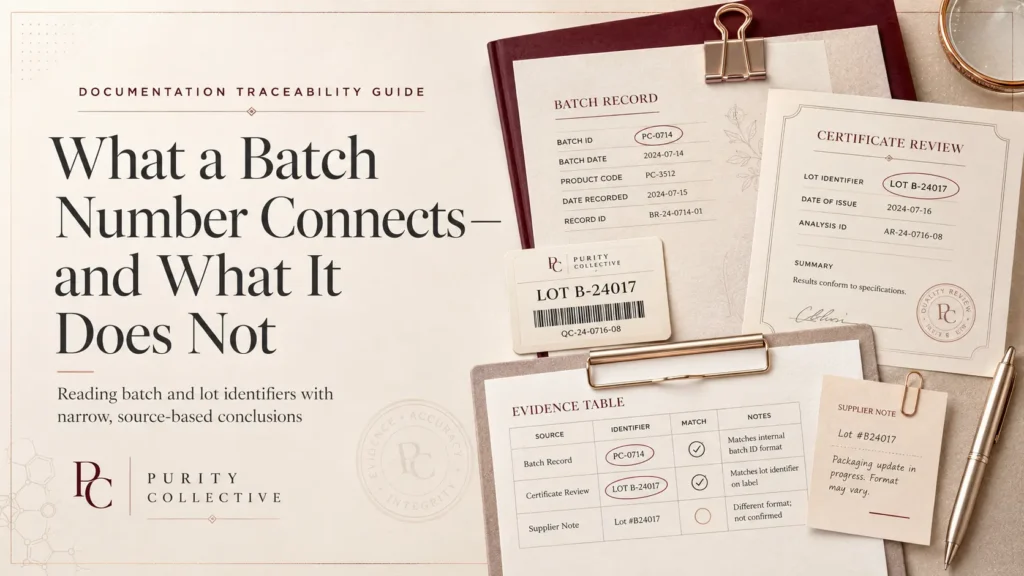
A batch or lot number can connect a product record to a specific document when the identifiers match. It does not automatically transfer evidence…
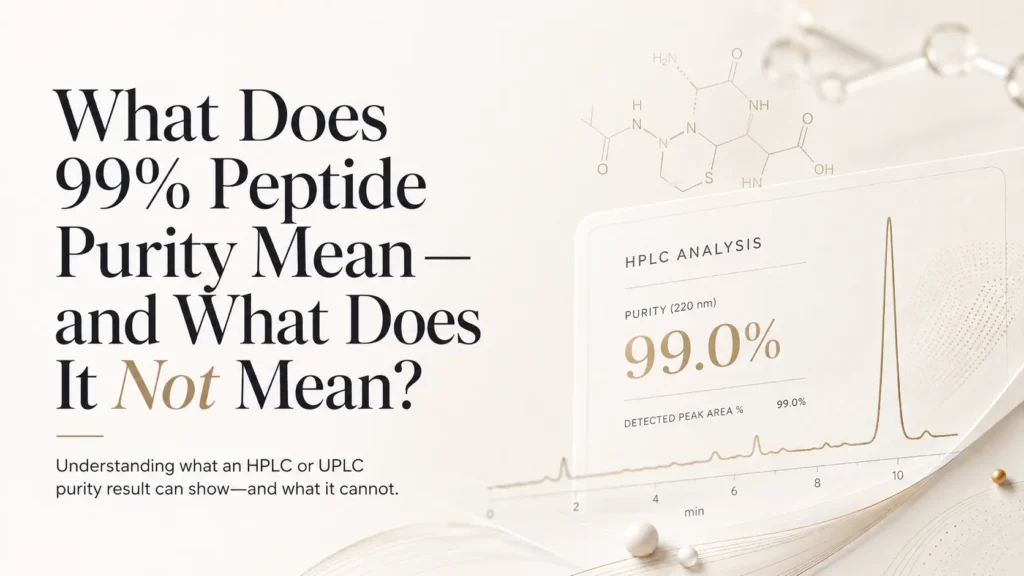
Understand what a 99% HPLC purity result can show and why it is not the same as identity, peptide content, fill quantity, sterility or…
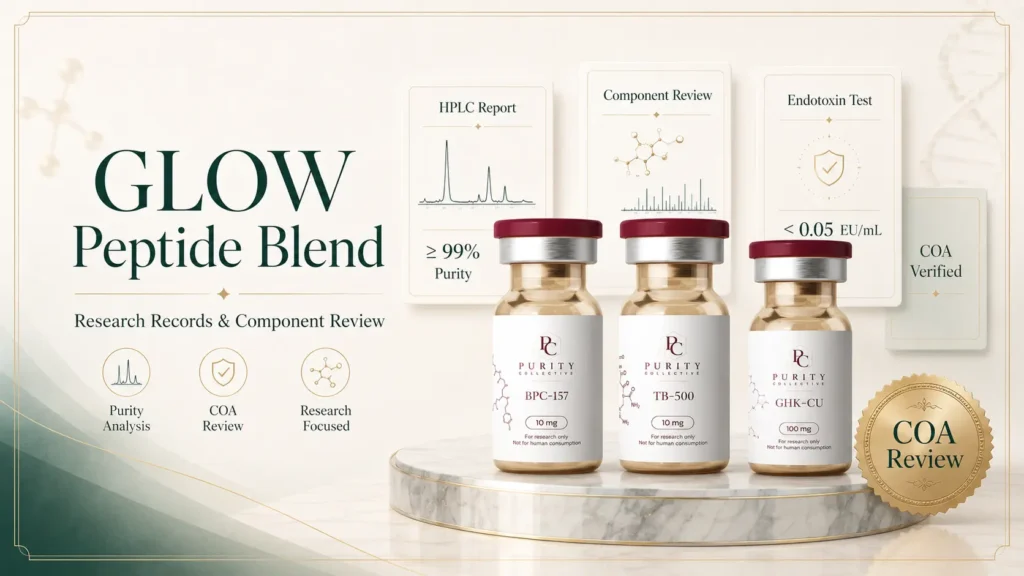
A documentation-led guide to GLOW 70mg, component-specific UPLC/MS results, KLOW comparison and blend evidence boundaries.
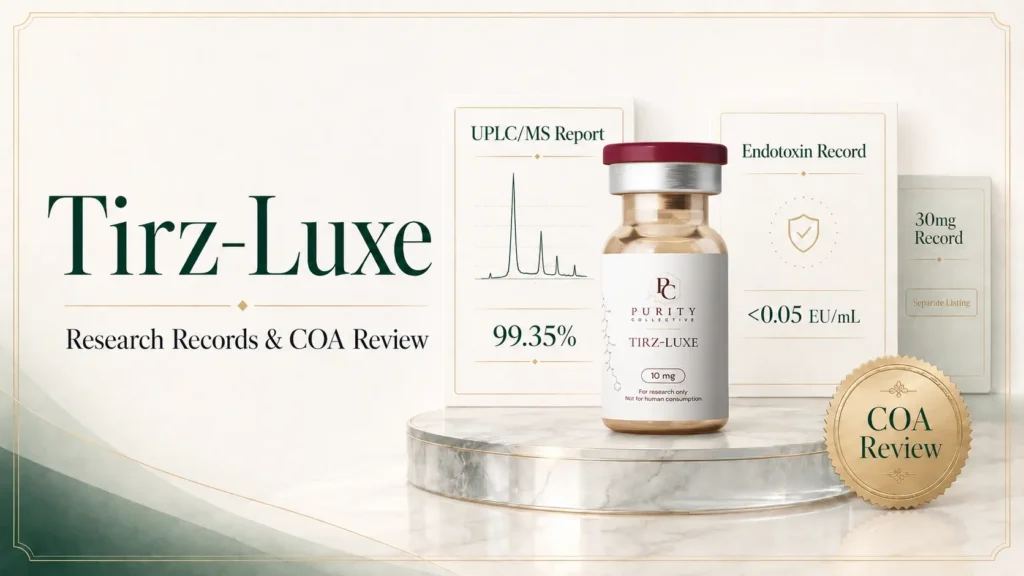
A documentation-led guide to Tirzepatide identity, Tirz-Luxe 10mg records, 30mg documentation status and COA evidence boundaries.
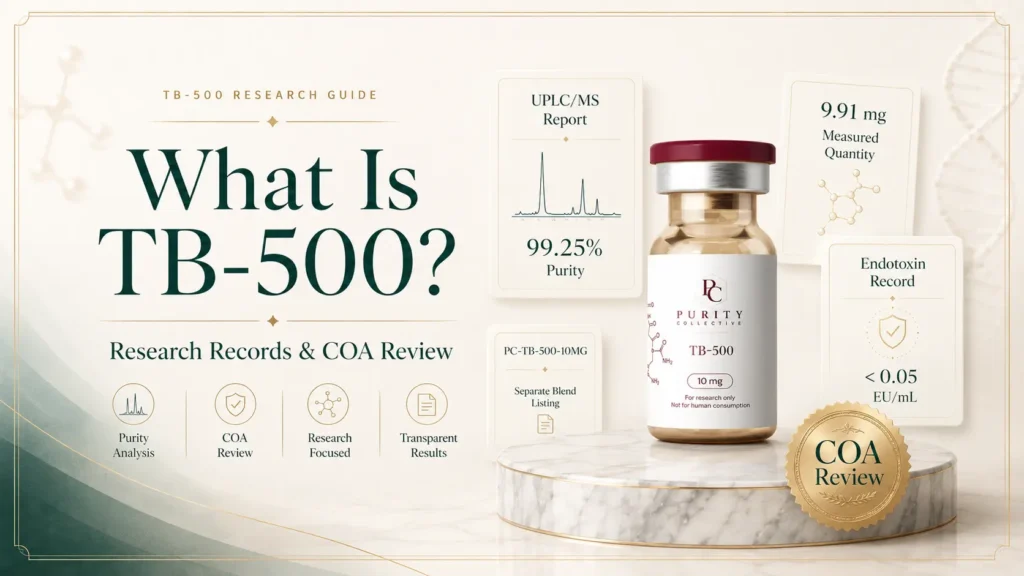
A documentation-led guide to TB-500 identity, FDA/source context, 10mg analytical records and blend review limits.
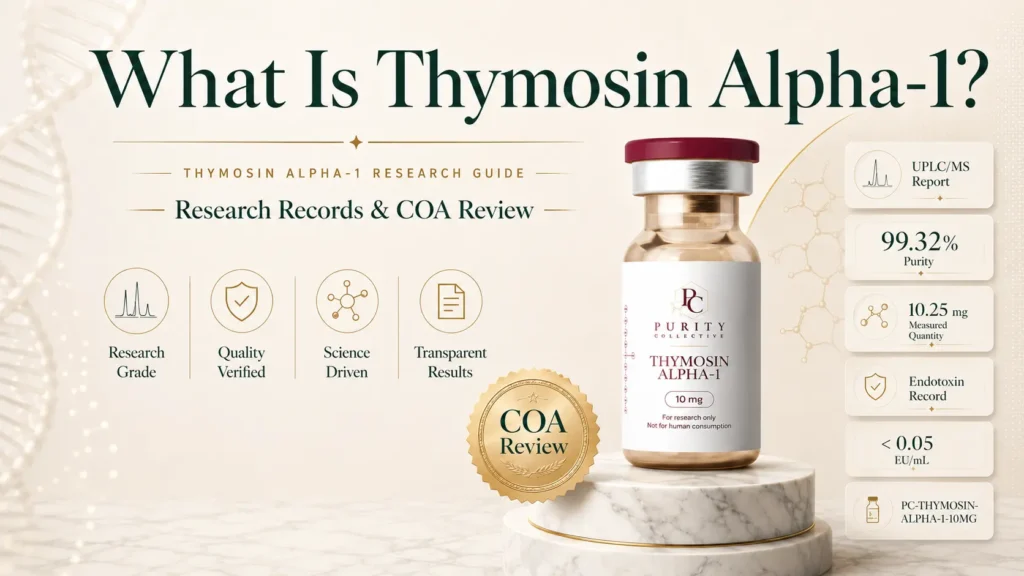
A documentation-led guide to Thymosin Alpha-1 identity, FDA/source context, 10mg analytical records and COA review limits.