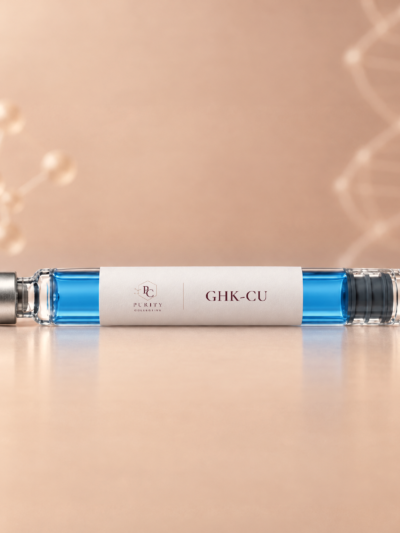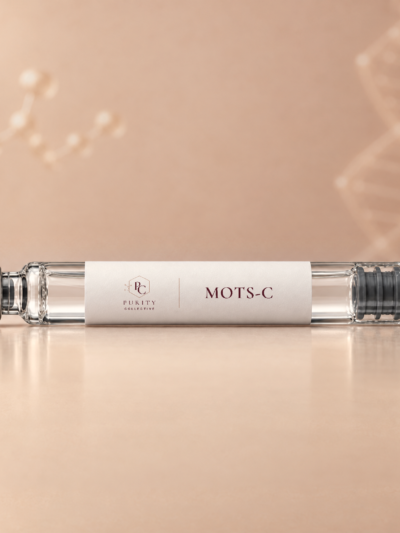

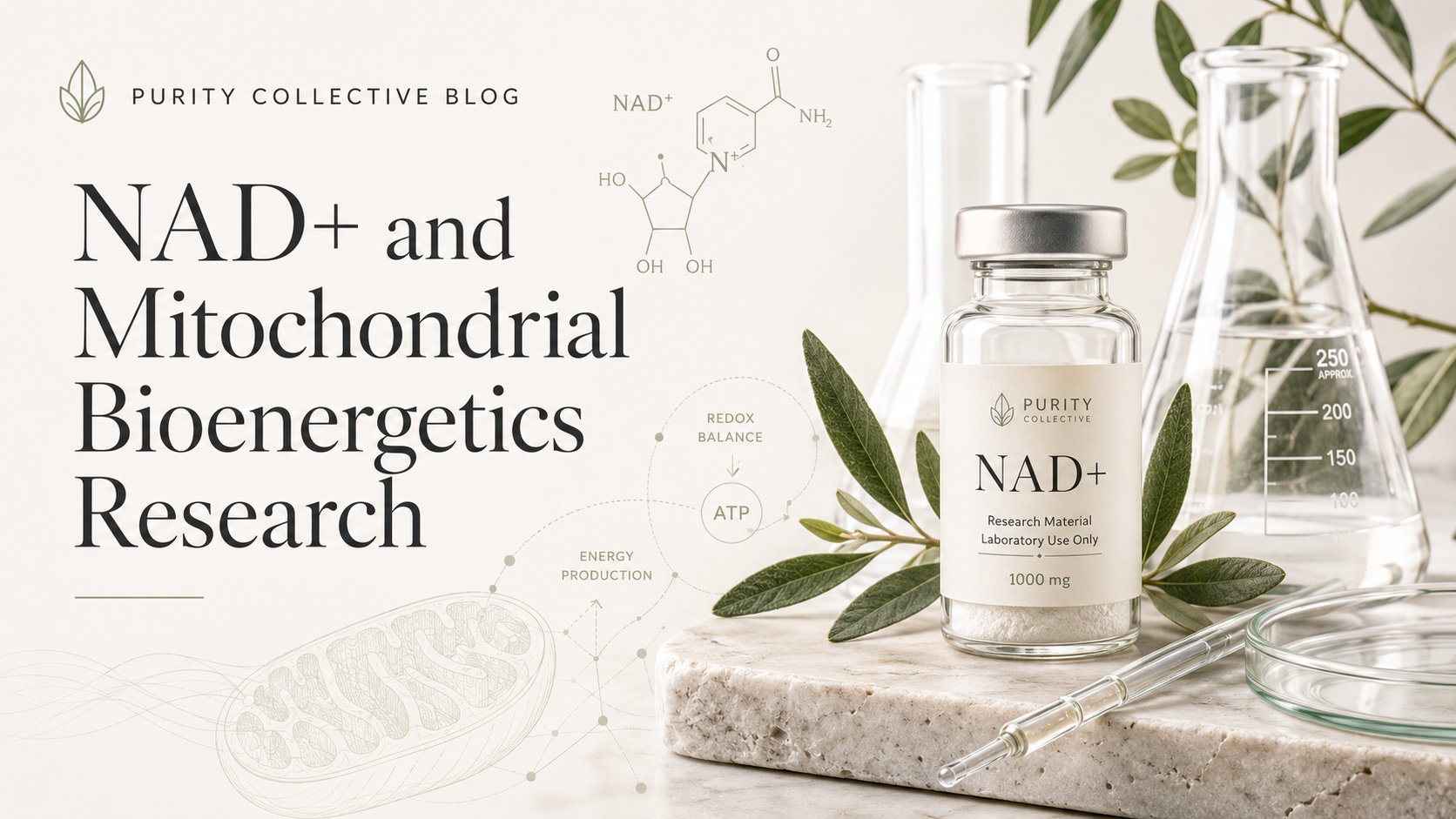
NAD+ is usually discussed as a coenzyme reference compound rather than a peptide. In a research catalog, it often appears beside peptide reference materials because buyers may compare it within adjacent bioenergetics, redox biology and analytical-documentation workflows. The useful review question is not what a compound is popularly associated with; it is whether the product record clearly identifies the material, listed quantity, format, SKU and available documentation.
This guide explains how to review NAD+ catalog pages from a documentation-first perspective. It is written for qualified laboratory research purchasing and does not turn literature context into product-performance claims.
Why NAD+ appears in research catalogs
Nicotinamide adenine dinucleotide is commonly referenced in redox biology and mitochondrial bioenergetics literature because it is part of oxidized and reduced coenzyme systems. That scientific context can explain why a catalog groups NAD+ with related research materials, but it should not replace product-specific review.
For SEO and procurement clarity, NAD+ pages should stay grounded in neutral facts: product identity, quantity, supplied format, SKU, stock status, storage notes where provided, and any linked analytical records. Broad biological background belongs in educational content; commercial product pages should make the catalog record easy to verify.
Compare NAD+ product records by identity and quantity
Purity Collective currently has multiple NAD+ records, including NAD+ 500mg and NAD+ 1000mg. Those pages should be reviewed as separate catalog entries. A larger listed quantity is not simply a duplicate of a smaller listing; it is a distinct procurement record with its own title, SKU, availability and documentation status.
When comparing the two vial-format records, start with the visible product title and listed quantity. Then confirm whether the page includes a SKU, price, stock status, short description, product category and any linked reports. If two records share similar language, the differentiator should be the product facts and supporting documentation rather than broad research background.
Handle format-labeled records carefully
Some NAD+ entries use a format label in the product title. Format labels can help distinguish catalog records, but they should be read as descriptors of how an item is listed in the catalog. They are not product instructions, suitability statements, or outcome claims.
For format-labeled entries, use the individual product page as the source of truth. Review the title, quantity, SKU, availability and documentation status. If a format label creates ambiguity, the safest SEO and purchasing language is to describe what the page lists, not to infer anything beyond the record.
Review analytical documents before relying on a record
Documentation is the strongest differentiator for research-catalog content. A product page may link a Certificate of Analysis, mass-confirmation document, purity report or other file. Each document should be reviewed by identity, sample or lot reference, method, date relationship and stated result.
- Identity match: Does the document name the same material shown on the product page?
- Quantity and format: Does the product record make the supplied amount and format clear?
- Report scope: Does the document appear product-specific, lot-specific or general background?
- Date relationship: Do received, analysis and issue dates make sense together?
- Result boundaries: Does the page avoid extending a report beyond what the document actually supports?
The peptide COA guide is useful even for non-peptide reference materials because the same reading habits apply: verify identity, method, result fields and document-to-product mapping. The COA library can also help researchers locate available files before comparing product records.
Use category context without over-reading it
NAD+ may appear in a broad research collection such as Radiance or another category used for navigation. Category placement is useful for discovery, but it does not prove documentation coverage or define the product record. A category page can help a buyer find related materials; the individual product page should still carry the identity and documentation burden.
For a broader introduction to catalog language, see What Are Research Peptides?. For the full commercial archive, use the research peptide catalog and compare each listing on its own facts.
A clean NAD+ review workflow
A responsible NAD+ catalog review can be simple:
- Open the specific NAD+ product page rather than relying on a category or article title.
- Record the product name, listed quantity, SKU, availability and format label.
- Check whether the page links product-specific documentation.
- Compare document identity, dates and methods with the product record.
- Note any missing or unclear evidence before using the record for laboratory procurement.
This approach keeps NAD+ content useful for search and buyers while avoiding unsupported product claims. It also gives each product record a clear purpose in the internal-linking structure: articles explain how to evaluate records; product pages present the record itself.
NAD+ FAQs
What is NAD+ in this catalog?
NAD+ is treated as a reference research material record. The useful review starts with the exact product page, listed quantity, SKU, format label and available documentation.
Is NAD+ a peptide on Purity Collective?
No. Purity Collective’s NAD+ pages should be read as NAD+ reference-material listings, not as peptide, supplement, medicine or consumer-use product pages.
Which NAD+ vial listings currently have documents?
The NAD+ 500mg and NAD+ 1000mg vial records currently link UPLC/MS and endotoxin documents on their product pages.
Can a NAD+ 500mg report support NAD+ 1000mg?
No. The 500mg and 1000mg listings are separate product records. Each report should stay tied to the exact page, listed quantity, SKU and lot information named by that document.
How should NAD+ nasal-format records be reviewed?
Nasal-format NAD+ pages should be reviewed as their own catalog records. Do not transfer vial-format documents or vial-format results to a nasal-format page unless a current product-specific document explicitly supports that exact listing.
Is NAD+ intended for human use on this site?
No. Purity Collective’s NAD+ listings are for qualified laboratory research only and are not for human or veterinary administration. The site does not provide clinical, therapeutic, dosing or administration guidance.
Related NAD+ product records
Bottom line
NAD+ content should connect research context with careful catalog review. The strongest page is not the one with the broadest biological language; it is the one that helps a qualified buyer verify the product identity, quantity, format and available documentation without overstating what the record proves.